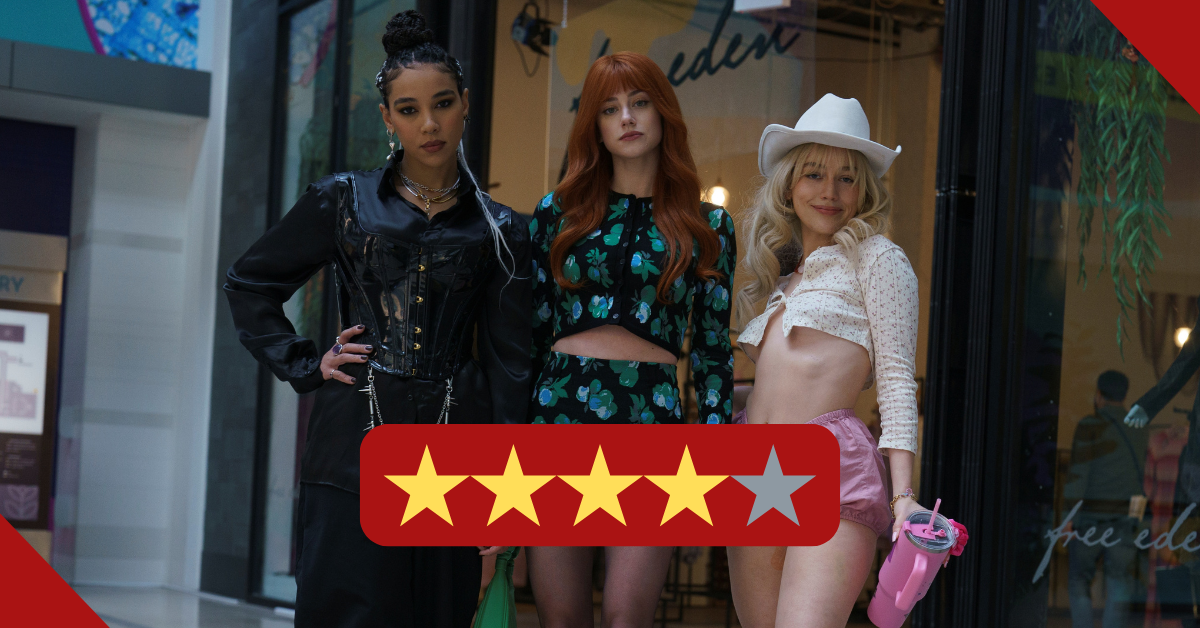
Forbidden Fruits captures the spiritual rot at the core of modern mall culture in the same dedicated, loving way movies like Mallrats captured the liminal qualities of 90s malls. A massive Texas mall stuffed with luxury brands and dull hallways is a far cry from the romanticized 80s-tastic shrines to consumerism malls used to be. The Highland Park mall might not get much time to shine in Forbidden Fruits, but every second it appears shows you something with years and years of new makeup and clothing reinventing it into something new.
Huh. I wonder if that’s at all relevant to any of the characters in the movie…
What is Forbidden Fruits?

Life is stabilizing for Apple (Lili Reinhart), (Victoria Pedretti) Cherry, and (Alexandra Shipp) Fig, a trio of sales reps working a boutique fashion shop in their local mall called Free Eden. They’ve been through something upsetting recently, and are wary of change. At least, until Fig meets Pumpkin (Lola Tung), an employee at the mall’s knockoff Auntie Anne’s. Being named after a fruit and meeting passive hotness criteria, Pumpkin is swiftly brought into the fold of “the fruits.”
They don’t just sell thousands of dollars of cheap clothing to buffoonish rich folks, they’re also a coven of witches. The more Pumpkin learns, the more toxicity is uncovered beneath the Fruits’ fashionable exterior. Members must support each other, and none of them are allowed to text men anything other than emoji.
Things are not healthy with the Fruits.
How is Forbidden Fruits?

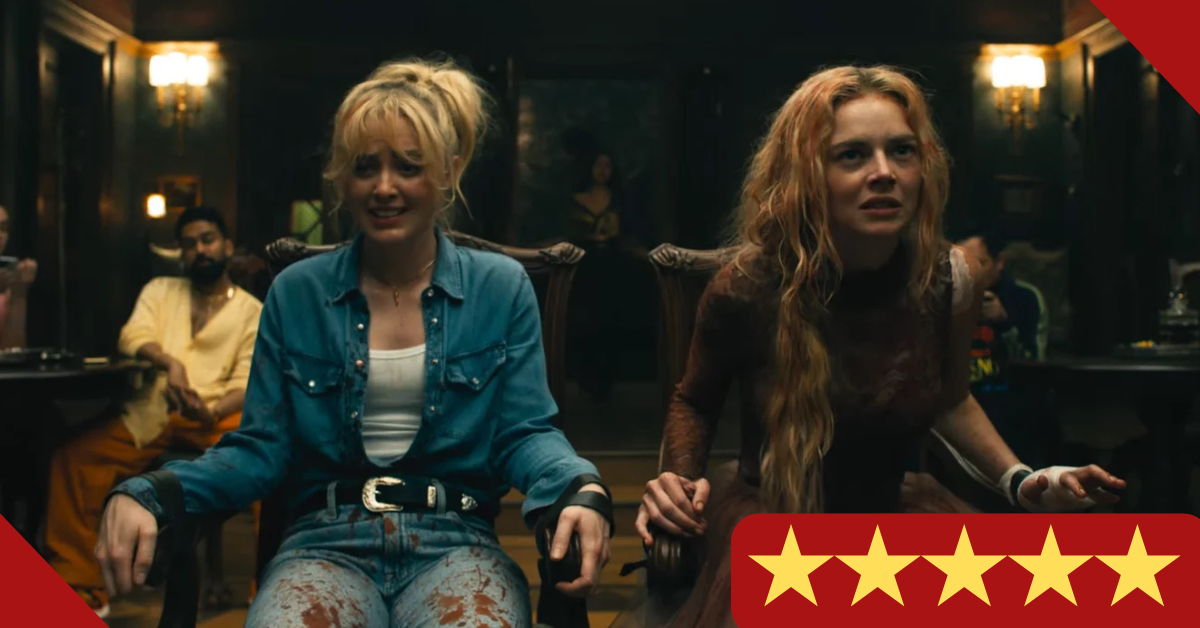
Fun! Don’t let the following paragraphs suggest anything other than the image of me walking out of that screening with a smile. I had fun! All four of the ensemble fully commit to their characters and deliver scenes that end up more valuable than the sum of their parts.
But I’m also the kind of movie nerd who loves the nitty-gritty, and would have had even more fun had I known the following background:
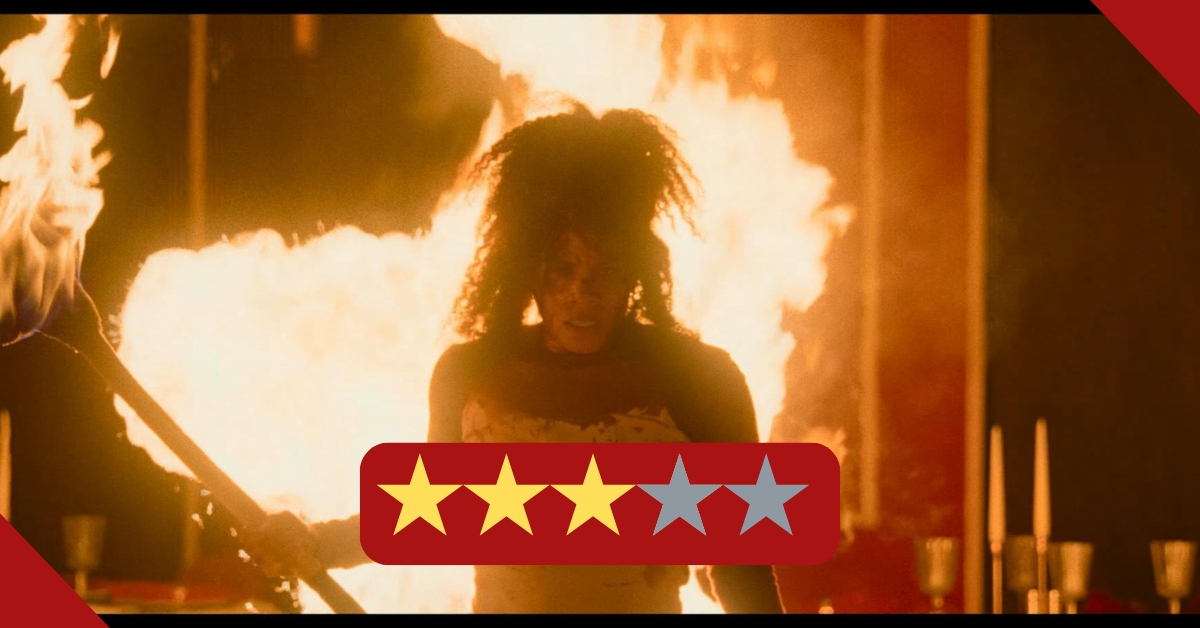
On paper Forbidden Fruits is a horror comedy. In practice it’s a “horror” movie because Shudder financed it and Shudder only makes horror movies, if you catch my drift. Functionally, it’s a wry dark comedy about toxic friendships and delusion. There just happen to be a couple scenes near the end that tick boxes so Shudder’s marketing department can cut a trailer that makes it look like a much more violent movie than it is. Including one instance of post-production manufacturing a jumpscare with a loud sound effect over footage that clearly wasn’t meant to be a jumpscare.
The pacing of Forbidden Fruits has a unique vibe I couldn’t place until the victory lap that was the mid-credits scene. Something Wikipedia confirms: Forbidden Fruits is an adaptation of a play, and the writer of that play co-wrote the screenplay with the director. It’s hard to nail down what I mean specifically, so think of it like this: if the flavor of a normal movie screenplay is a balance of oil, fat, salt, and heat, screenplays of passion-project plays with the original author involved have an umami tang to them. Not unwelcome, not bad, but there’s a… funk that makes it feel slightly offbeat.
That funk is what will make Forbidden Fruits a movie people rewatch in ten years’ time. If I can weather the storm of ball-achingly repetitive jokes on social media, I get the vibe this movie will grow a fanbase over time. The comments on the YouTube version of the trailer are hundreds of people iterating on “it looks like Gen Z The Craft” as if identifying a touchstone of an incredibly small subgenre somehow cuts the movie to its core. Irony has poisoned the internet to the point describing similar bits of pop culture is considered damning indictment.
Of course, I’m a 35 year old masc autistic trans queer who hasn’t seen most of the core movies in the gals-bein’-pals witch subgenre, let alone The Craft. I’m not the target demographic of Forbidden Fruits. I had no idea who Emma Chamberlain was until after seeing the movie. Perhaps that says something about the specific flavor of traditionally-attractive 30-something women playing the Fruits that Chamberlain fit right in and didn’t scream “stunt-casted influencer.” Good for her.
Looping back to queerness: there’s occasional whispers of sapphic energy to the Fruits. A comment here, an acting decision there. I’ll leave it to someone qualified to have an opinion on the queer narrative in Forbidden Fruits. Just know it’s there, but it’s not necessarily begging to be paid attention to while other characters act aggressively heterosexual.
Forbidden Fruits is a delightfully intentional movie. There’s a casual nature to its jokes and structure that hardly betray the amount of clear thought and effort that go into scenes.
Without getting into spoiler territory, I’ll share one little example: the Fruits have a tradition of confessing their sins to the spirit of Marilyn Monroe. They do so by going into a changing room with mirrors on either wall, creating an infinite tunnel of them staring at each other. Perfectly in line with Free Eden’s design aesthetic, the dressing room has cheap neon signs of #girlboss-flavored words. Except the words always flip to something ominous in the mirror. MOOD becomes DOOM. LIVE becomes EVIL.
Not the subtlest detail in the world, but exactly the kind of attention to detail I love to see in a Shudder movie taking swings at being clever and/or different than its genre compatriots. A cute little touch that adds a drop of malice to seemingly innocent locations.
Should I see it?

Yes! In as busy a theater as you can. I had fun, but I also saw it with three people. All of which were firmly out of the expected age/gender demographics this movie is aiming for. There were many moments that clearly were designed to be surprise laugh-lines that fell fully flat because nobody in my room felt the need to audibly laugh at it.
Leave a Reply